
The Land of Light Is Not a Land of Garbage
- Feb 4, 2026
- 9 min read
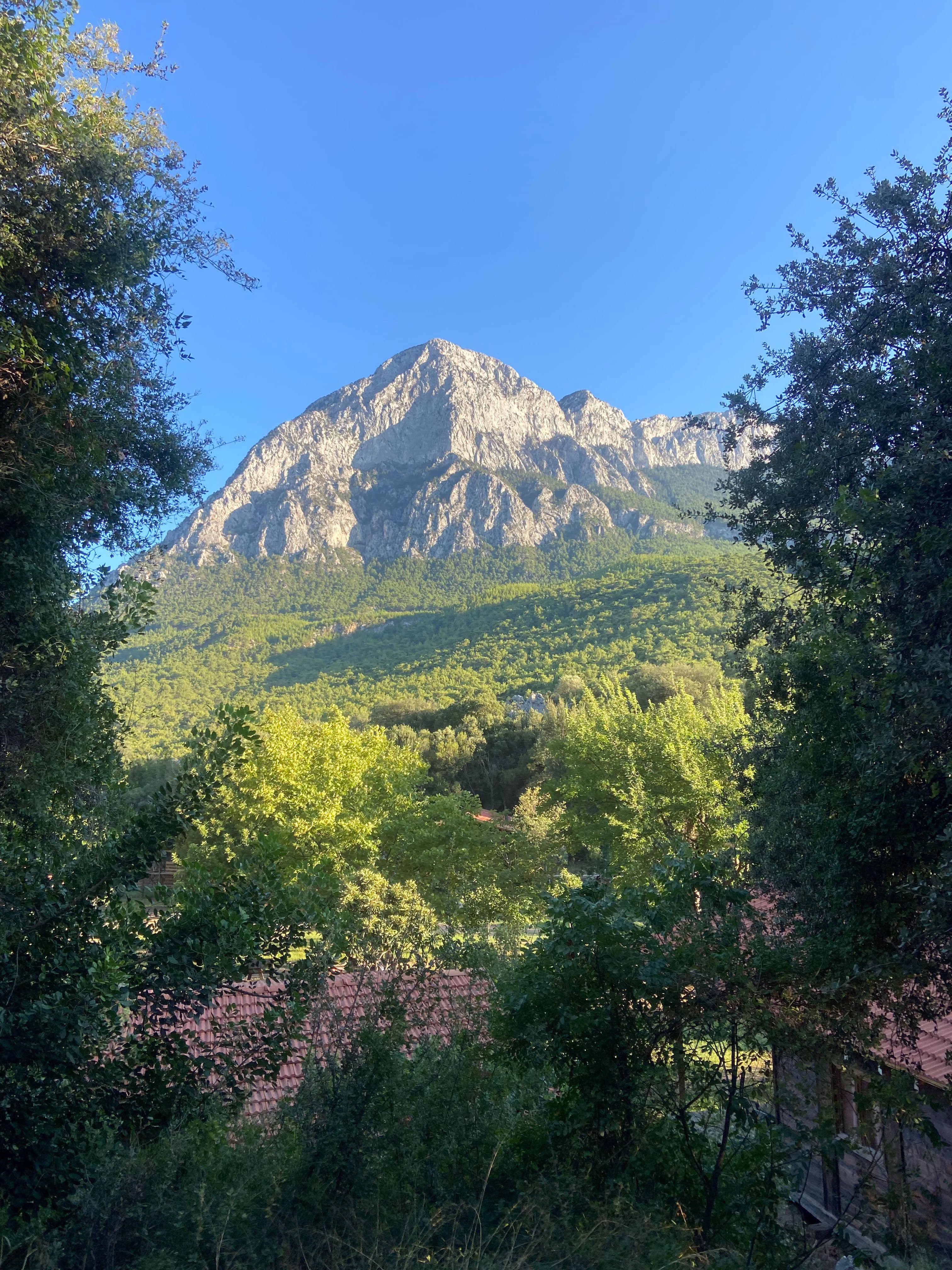
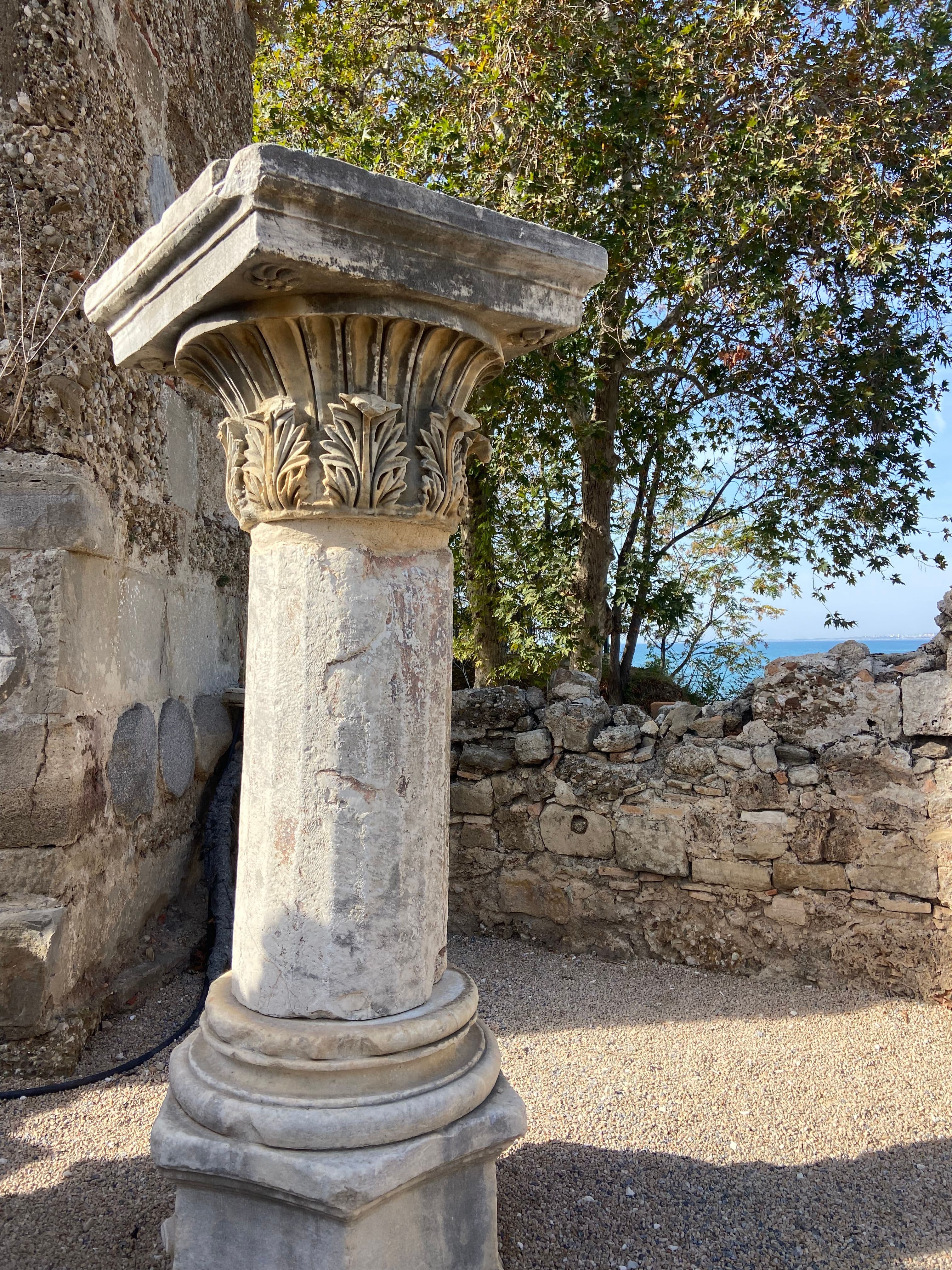
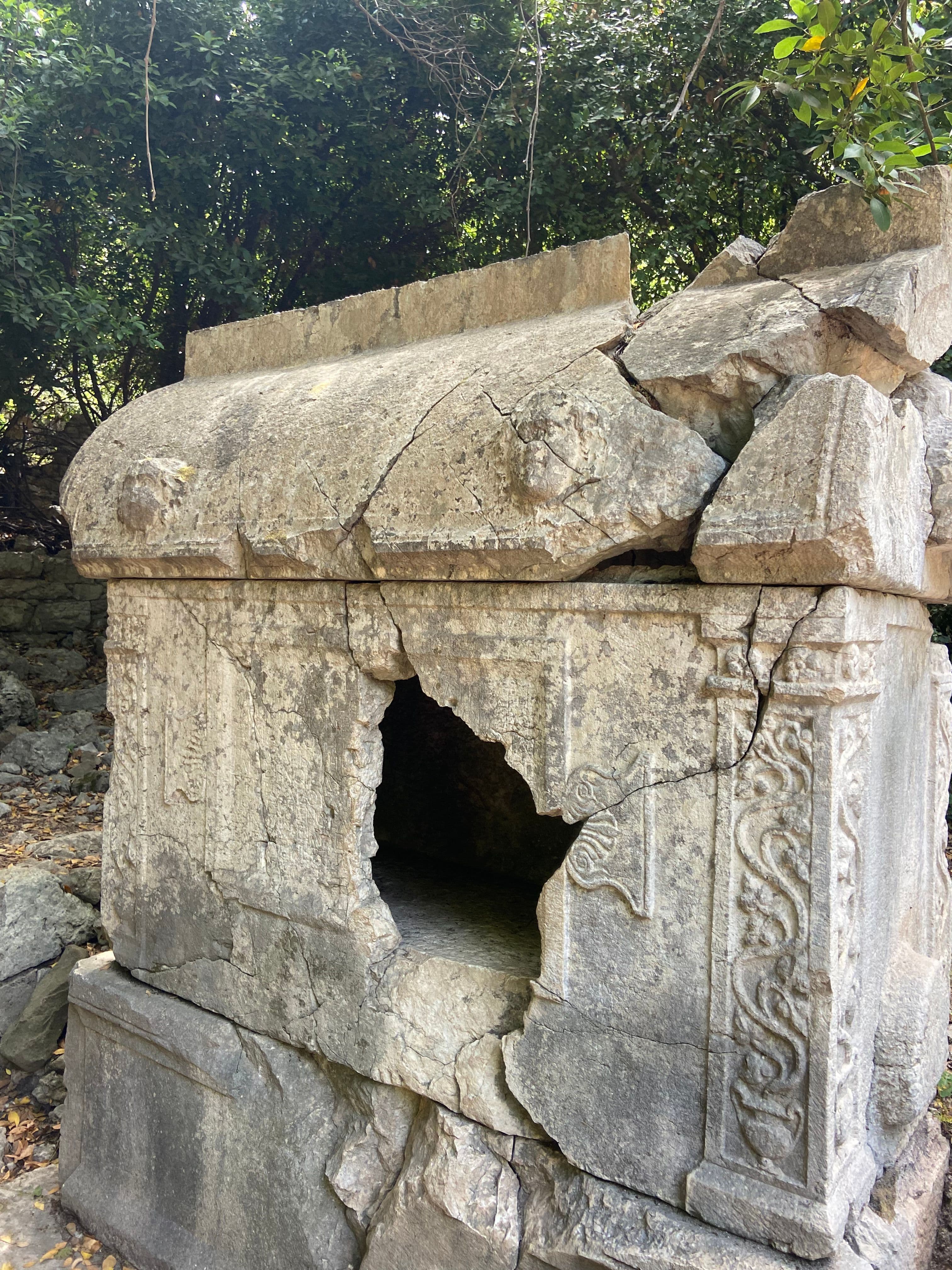
In the preface of the book THE TURKISH COAST: THROUGH WRITERS’ EYES, it says, “There is something almost ethereal about the intensity of the light and the colour of the sea.” Referring to idyllic beaches stretching across the west to the southern coast of Turkey. Over the past year, coming back to my fascination for the archaeology of the region of Lycia has felt like coming full circle. I remember quitting my archaeology studies in İzmir and moving to Antalya almost ten years ago, once the heart of Lycia, an ancient region stretching from Fethiye to Antalya, not by choice but out of obligation, to continue my path in journalism. Yet the first thing I did arriving here was to visit Olympos, an ancient Lycian city on the Mediterranean coast. Even after turning away from archaeology, I found myself walking through the ruins, as if the land refused to let me forget that part of myself. Wherever I went in the city, I was right in the middle of the ancient history of Lycia.
And, again, another turning point of my life was last year thinking of quitting journalism. I began going on tours around Antalya so that I could later sell them to tourists in hotels. My very first day on the tours, I met Seher Akyol, founder of an NGO to protect sea turtles, I once interviewed online while writing one of my first news stories about saving Turkey’s sea turtles, standing there in mendirek, a naturally formed sandy area that functions as a breakwater and is also the nesting site for sea turtles that day it made me feel It was as if life kept bringing me back to the places and to the history I thought I had left behind. Thinking in this next chapter of my life, I wouldn’t have access to my real work, once archeology, and now journalism.
I wouldn’t have known that this city, once the epicenter of the Hellenic-Roman world, was so abundant, that it would give me everything and more. How ironic that first I had to quit archaeology to truly walk into the antiquity of this region, and next, I had to step away from journalism to get more familiar with the reality of the region's problems, not sitting behind my screen to interview people and write news stories, but to truly embody my work.
From the clarity that I gained with this experience, I could see how tourism was damaging this city and that I could not be part of this. It was made clear that I could not sell these tours that were exploiting nature and the animals (Of course, not all of the tours were exploitative. Some, especially those telling the stories of the ancient world in this region, fascinated me.). Although things felt clearer, there was still no solution for me to make a living. This clarity didn’t bring me solutions, but instead an unknown path — an invitation to forge a new path, a new way of making a living.
The magic of Lycia (Likya)
There are not many places left where magic reigns without interruption, and of all of those I know, the coast of Lycia was the most magical. Another travel writer, Freya Stark, wrote in her book, The Lycian Shore: A Turkish Odyssey. This magical place, the region of Lycia, is most known for the ancient trail now used for hiking that stretches through Fethiye to Antalya and was recently named the most beautiful in the world.
The magic and the beauty were not the only things making this region so important, but also the resources of Lycia, which shaped the ancient history around this region. Prof. Dr. Nevzat Çevik is one of the archaeologists who points out the abundance of the region, besides its beauty. He describes how the resources were directly tied to the majestic mountains of Lycia. The rivers bring abundance to the plateaus, and the goats keep climbing to unreachable places to get nutrients and give nutrients back to nature. “The people find refuge in the mountains. In the rich forests of Likya, cedar trees were abundant and used in shipbuilding. Wine produced from the vineyards around Telmessos was exported abroad, most notably to Italy.”
Yet seeing these regions’ most beautiful spots exploited with tourism and covered with trash broke my heart over and over again. Up until realizing I was not the only one who was deeply saddened by this. A British couple residing in Turkey, Mick and Trudie, recently shared a video on their Instagram accounts showing Mick collecting trash along a scenic shoreline. Mick and Trudie are part of a growing wave of people taking similar action — including the viral account of 11-year-old Aras Kayretli in Mersin, and Akif Temelkuran and his team in Adana.
The land is covered with concrete and litter
You might know Turkey for the people’s respect for stray cats and dogs. However, when it comes to nature, there is one policy: pour concrete all over greenery as if concrete will make the place cleaner, as if nature is messy or dirty, and sometimes it is because of trash laid all over the place. I can not help but wonder who makes these decisions? Has someone never been in nature at all? This truly feels like a mindset problem. These people in power need an exchange program to visit European cities and learn how the problems related to nature are handled there. I could not grasp the admiration and respect for nature that I can see from the intricacy of every carved stone in the abundant ancient Lycian cities of Antalya. I can not comprehend how the intricacy of details in every stone that is carved in awe of nature turned into this evilness, this carelessness, so much so that there isn’t any clean roadside or a forest left that I can see going back and forth between the west and the south coast of Turkey.
I wouldn’t have quite understood if I hadn't visited European countries like Denmark, Germany, or Belgium. How have we become alienated from nature here in Turkey? In those countries, I could see that even in the middle of the city, there is a piece of nature left untouched. A reminder of what is real, almost like where we are coming from. Then, I could see how this being closer to nature is possible here in Antalya, too. Some city parks and especially the national parks still seem untouched, allowing people to feel the magic of the land. However, the litter was still scattered all over despite the signboards. Then I understood that signboards are not the thing that can create awareness, but voluntarily collecting trash does. The volunteer movement shows genuine care for nature.
It makes me hopeful that the trash collecting movement is sprouting in Turkey and the Instagram accounts with it.
Akif Temelkuran, who is the co-founder of a movement of collecting litter in Adana, tells me that the problem is actually a lack of awareness. ‘People call me and tell me before they were leaving their trash behind and now after seeing what I do, they too take an extra plastic bag to carry their trash after leaving their picnics in the forest.’ he says they simply weren’t aware of the harm they cost and now with this growing movement of volunteer trash collectors their behaviour is also changing. Temelkuran, who works at a call center, decided one Saturday after work with his colleague to start collecting trash in the places where they were available to do so. First, they started by asking small businesses around for plastic bags and gloves, then they saw others wanted to join them. A trash-collecting movement sprouted in Adana, and many more volunteers joined it. Now, they create events to collect trash and raise awareness, together with newbie volunteers offering them plastic gloves, water, and a sandwich.
This takes me back to my childhood. I remember the time I would rebel against the school principal as a kid, since he would make us collect trash or harvest the olives together with all the students in the school. And now I look back at those times with a touch of nostalgia. I think to myself: it was the right decision to make all the students collect trash, because problems like this can only be addressed through collective effort and action, not by shaming others for doing it, but by setting an example in what we do.
An 11-year-old Aras Kayretli does exactly that and shares his journey on Instagram. He started a movement, ‘litter per follower,’ after seeing another kid doing this in England. They even made a video together in their separate countries, Sam in England and Aras in Mersin, Türkiye, to keep raising awareness and pointing out the growing problem of litter scattered in the cities. Aras told me that he was most impacted by the 10 people dying in an effort to put out a fire in Eskişehir earlier this year, and he decided to collect litter from the beaches and streets, especially the glass bottles, to prevent wildfires from happening again. Aras’s mother, Başak Kayretli, manages his son’s Instagram account and adds that she wants to see some good things happening in the country after all the bad news. Aras is now in the Turkish parliament’s children commission, planning to work against peer bullying.
From being in awe of bird watching to the awareness of pollution
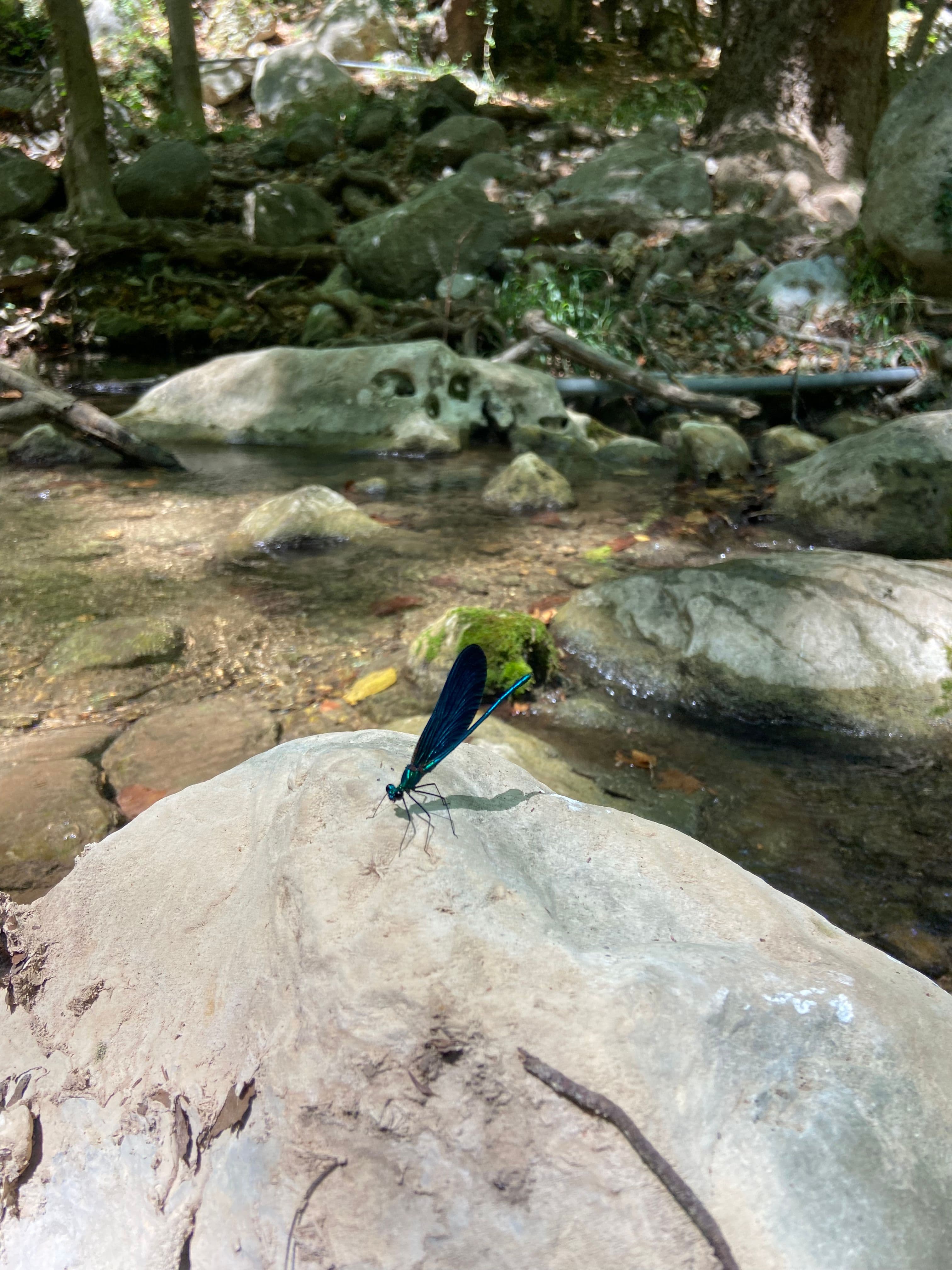
Over the past year keep coming back to my fascinations, and the frustrations for the city that I live in made me dive into a couple of different subjects. First, it started with publishing a story of the bird species of Antalya. It all came from my frustration, after visiting some of the European cities and witnessing the wildest birds like big herons, I thought to myself, how come in this rich, mountainous city of Antalya, I didn’t get to witness any interesting bird species like that for all these years? After writing “Antalya’s shrinking wetlands impacting its rich bird diversity,” I learned that the number one reason birds are affected in the city was by pollution, the large amount of litter scattered across the natural spots of the city like Antalya’s famous cliffs where One of the world's fastest birds, peregrine falcon, Gökdoğan (Falco peregrinus) has a nesting site along these cliffs.
My frustration was related to this country and the region that I was born and raised in— The litter problem and the disrespect for nature. The mindset was poisonous to this beautiful region of Lycia (Likya), slowly killing all the beauty that the ancients knew. I haven’t seen a clean forest on the roadsides that connect different cities on the coast. To visit my parents, I have gone back and forth over the years between Bodrum and Antalya.
All these connecting dots finally made me change the way I write my stories. These full circles were a reclamation of what was sacred to my childhood: the mountains, the magical moss on the rocks, and the ancient history of my country. (Check out my blog posts for my other full circle stories) It made me think that in the end, connecting these dots would make a constellation, a pattern.